
Pilates for Menopause: What Really Happens in the Body After 60
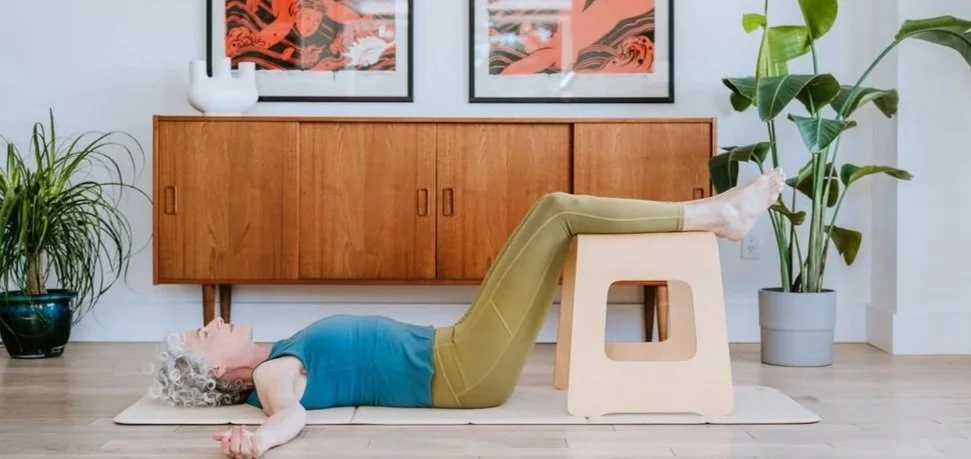
By the time a woman reaches 60, her body has often developed underlying conditions that go unnoticed — yet they significantly impact how she should exercise.
This is where most fitness advice fails women.
Generic programs don’t account for the realities of aging, menopause, and long-term physiological changes. And that mismatch can lead to frustration, injury, or simply not seeing results.
Let’s look at what’s actually happening.
Hidden Conditions in Women Over 60
1. Scoliosis in Older Women
Scoliosis isn’t just a teenage condition. Degenerative scoliosis develops over time due to disc wear, joint changes, and asymmetrical movement patterns.
Affects up to 68% of adults over 60
Often undiagnosed
Shows up as uneven hips, chronic tightness, or back discomfort
Most women don’t know they have it, it’s just that they feel “off.”
2. Osteoporosis and Low Bone Density
Bone loss accelerates after menopause due to declining estrogen levels.
1 in 4 women over 65 has osteoporosis
Over 50% of women over 50 have low bone mass
Many cases are only discovered after fractures
This directly impacts how load and movement should be applied in exercise.
3. Pelvic Floor Dysfunction After Menopause
Pelvic floor issues are incredibly common — yet rarely discussed openly.
Over 50% of postmenopausal women experience dysfunction
Includes leaking, prolapse, pelvic pain, and heaviness
Often worsened by incorrect exercise strategies
4. Circulatory and Vascular Changes
Hormonal changes affect the cardiovascular system significantly.
Increased arterial stiffness
Reduced blood pressure regulation
Higher risk of varicose veins and pressure-related conditions
Why Traditional Fitness Advice Falls Short
Most programs assume a younger, uncomplicated body.
But women over 60 are often navigating:
Bone density loss
Spinal changes
Circulatory shifts
Ignoring these realities doesn’t make them disappear, it just makes exercise less effective and more risky.
A Smarter Approach to Pilates for Menopause
Exercise should adapt to the body you have now and not to the one you had decades ago.
That means:
Supporting bone health without excessive compression
Training the pelvic floor correctly (not just tightening)
Improving strength without increasing internal pressure
Working with spinal alignment, not against it
This is where Pilates for menopause becomes powerful — when it’s updated with modern science.
The Bottom Line
If your body feels different after 60, it’s because it is.
And your training should reflect that.
You don’t need to push harder.
You need a method that understands what’s actually happening inside your body — and works with it, not against it.